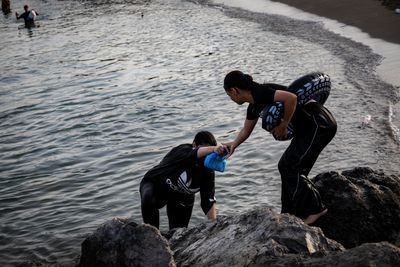

La Restinga, El Hierro, Spain — A 30-year-old woman died on Wednesday after a migrant canoe carrying 165 people reached the Canary Island of El Hierro following a journey of about ten days from Gambia, Spanish emergency services said.
The wooden canoe was first spotted off Tacorón, in the Mar de las Calmas, after the fishing vessel Restinga I reported its position. Spain's Maritime Rescue service dispatched the rescue boat Salvamar Diphda, which escorted the vessel to the port of La Restinga, arriving at around 5 p.m. local time.
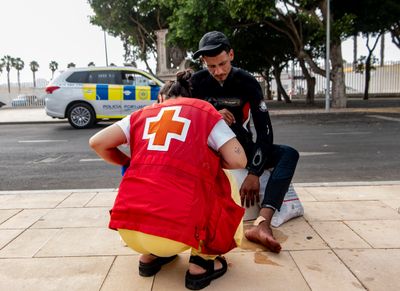
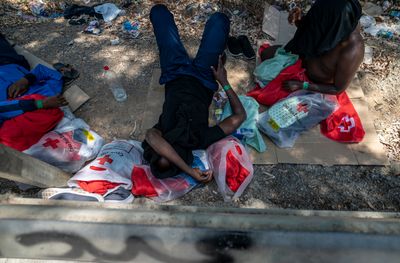
A major emergency operation was launched on the dock as migrants began disembarking. Medical teams found numerous passengers suffering from the effects of the prolonged Atlantic crossing. During the operation, a six-month-old baby went into cardiac arrest. Emergency personnel immediately performed advanced resuscitation procedures and managed to stabilise the baby before a Maritime Rescue helicopter flew the child to a hospital in Tenerife for specialised treatment.
The 30-year-old woman, identified as Binta Kolle, was pronounced dead despite the efforts of medical personnel. Fourteen other migrants were taken to Nuestra Señora de los Reyes Hospital on El Hierro, 13 of whom are reportedly out of danger. At the moment, three of the migrants rescued from the canoe remain in critical condition at hospitals in Tenerife, according to the latest medical information.
According to information obtained from the rescue operation, the canoe departed from Gambia on the night of 12 July. Those on board are believed to have spent around ten days at sea before reaching El Hierro, enduring prolonged exposure to the elements, limited supplies of food and drinking water and no access to medical assistance. Spanish authorities have not yet released the nationalities of the 165 people who arrived aboard the canoe.
The latest arrival highlights the continuing humanitarian challenges on the Atlantic migration route to the Canary Islands, where overcrowded wooden boats regularly complete long and hazardous crossings from the West African coast. Many survivors reach land in a critical physical condition after days at sea.
This story will be updated as more information becomes available.