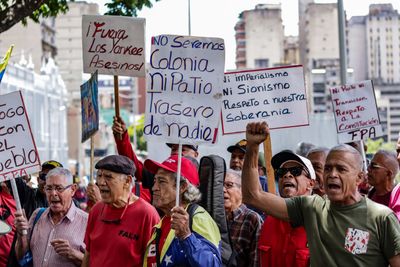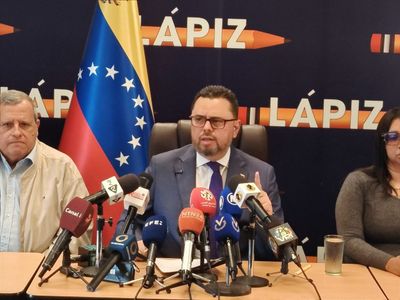


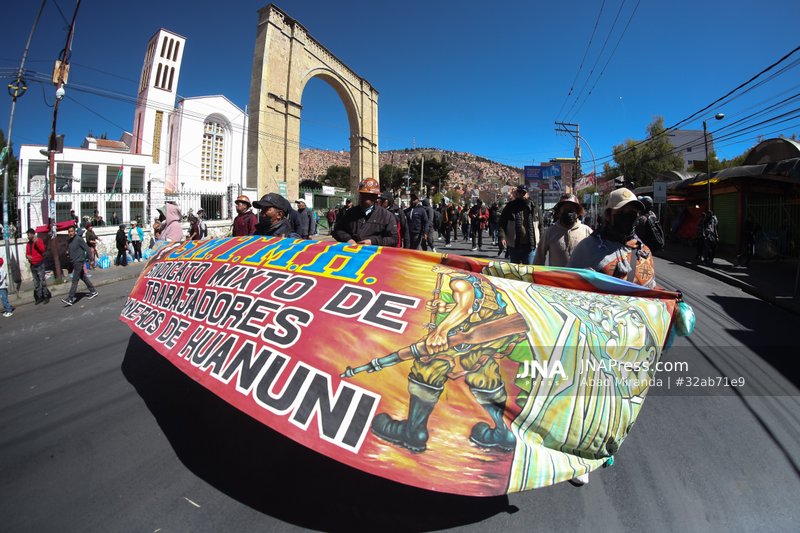
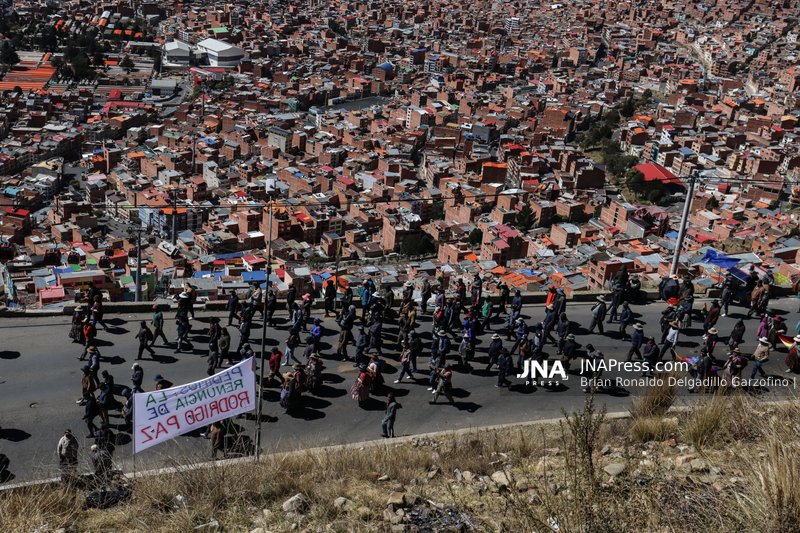
LA PAZ, Bolivia— The crisis shaking Bolivia since early May shows few signs of resolution. What began as a sectoral uprising over fuel subsidy cuts has spread to multiple industries — miners, transport workers, farmers and trade unions — all pressuring President Rodrigo Paz to reverse austerity measures and rein in inflation, which stands at 14% year-on-year.
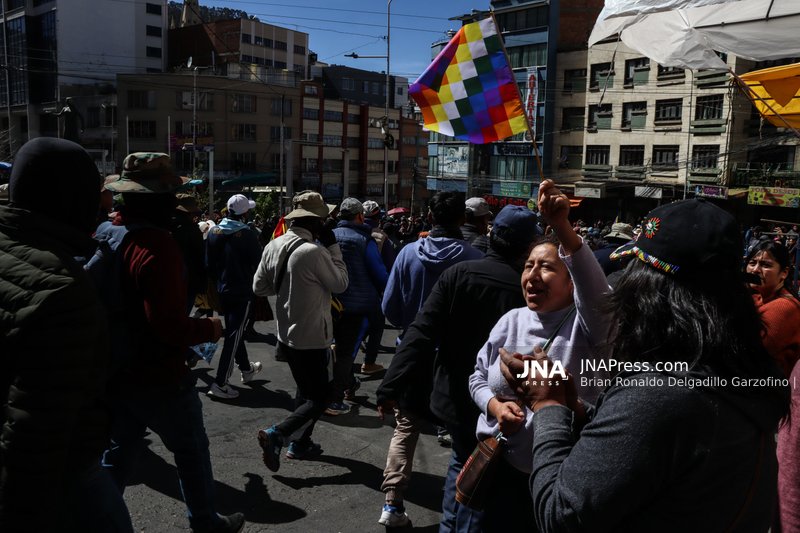
The capital, La Paz, has been cut off from the rest of the country for nearly two weeks due to road blockades. Shortages of food, fuel and medical supplies are worsening: around 5,000 trucks remain stranded on the roads, and chambers of commerce estimate losses exceeding $50 million per day. Three people have died as a result of the protests, among them patients who could not receive medical attention in time. Some 90 demonstrators have been arrested.
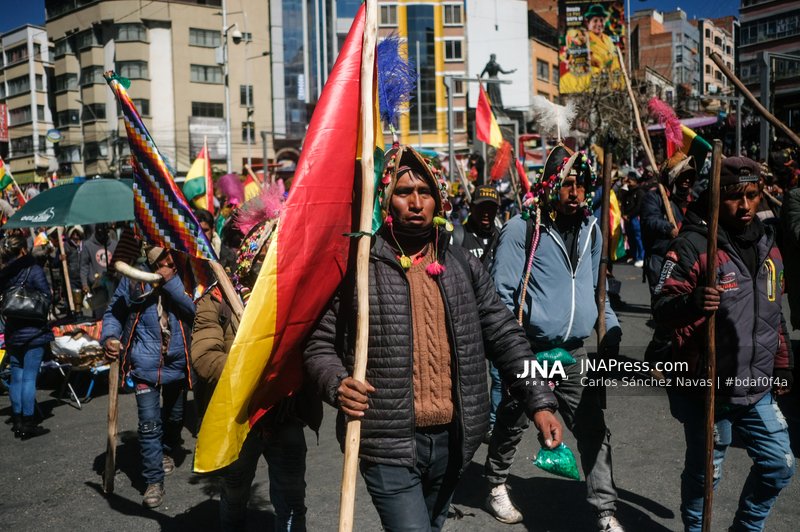
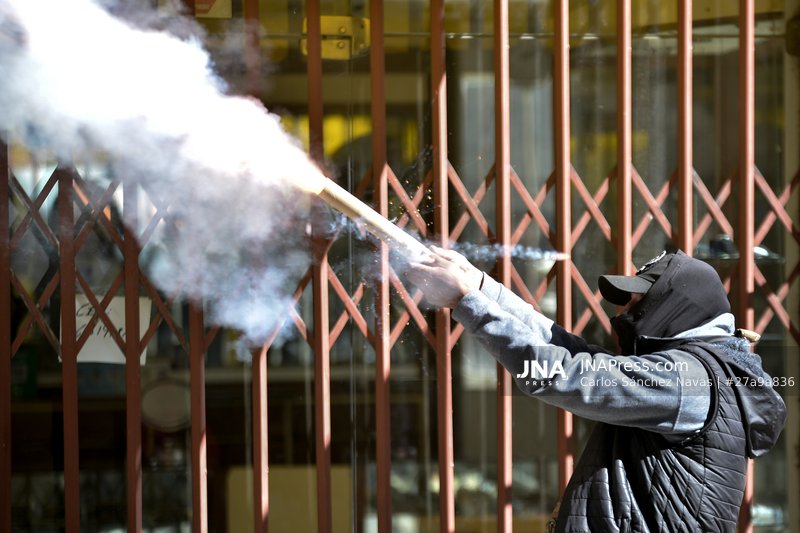
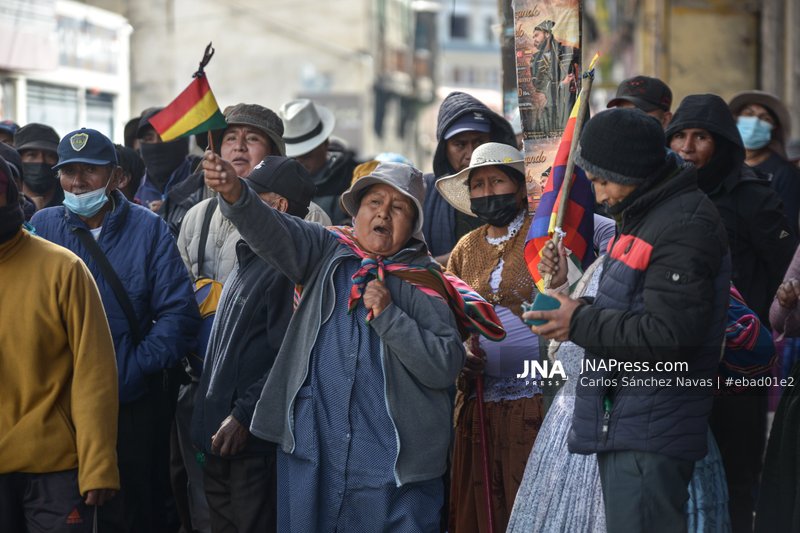
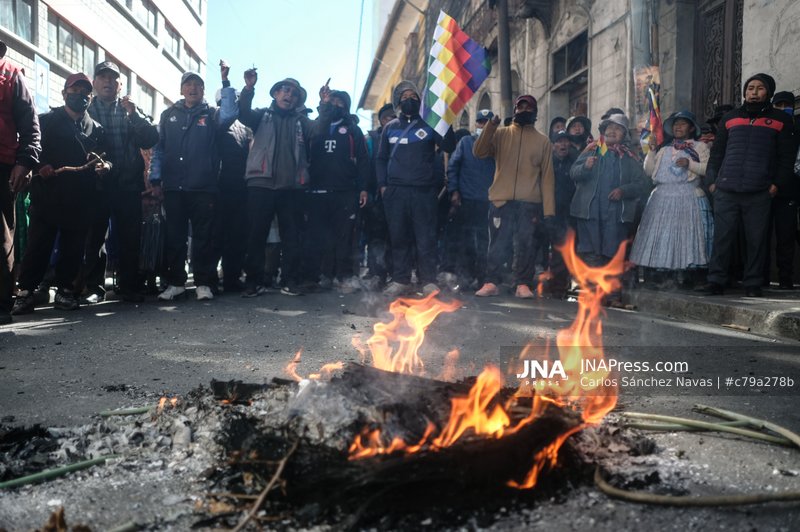
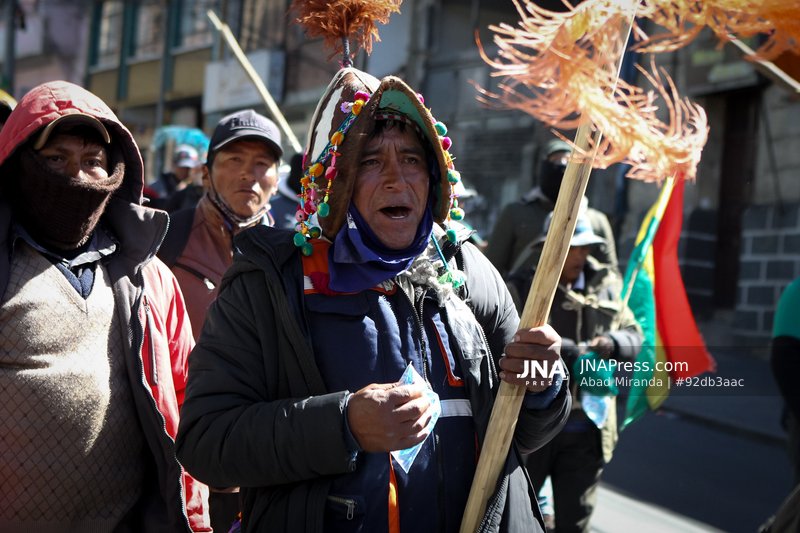
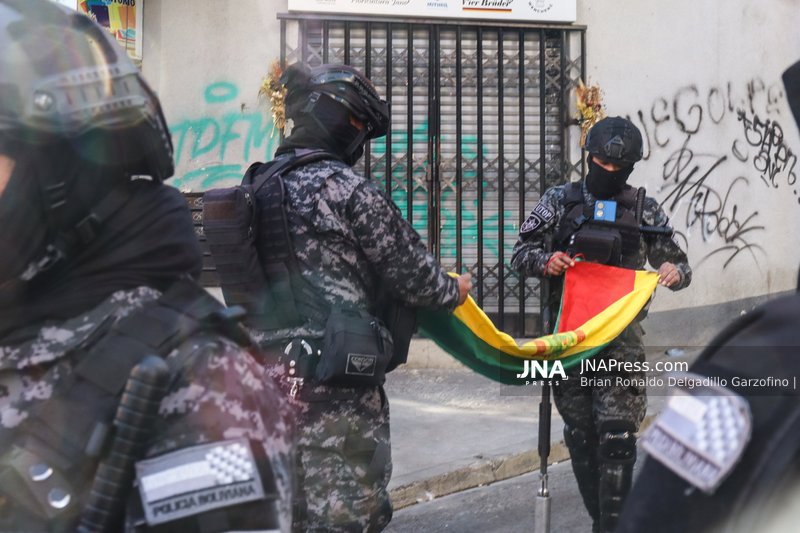
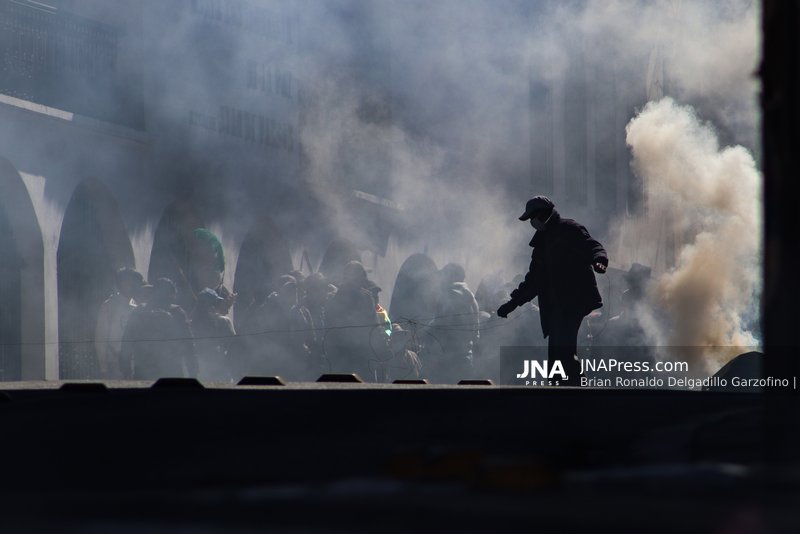
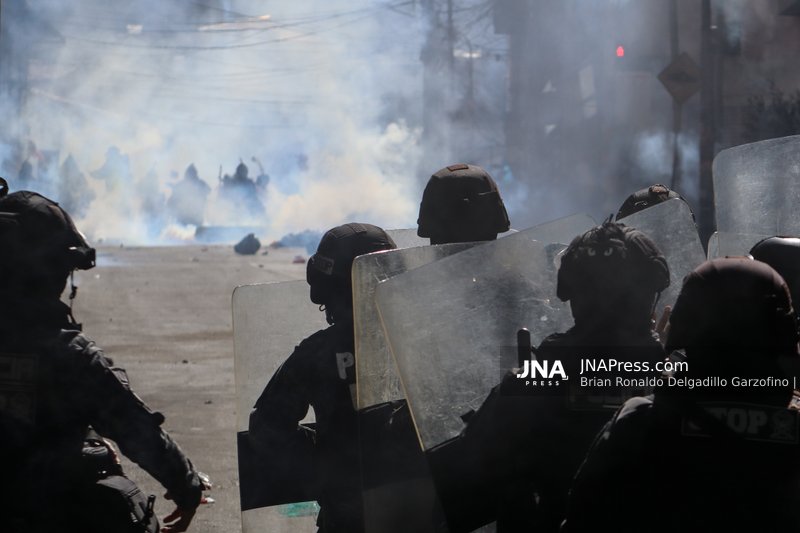
The days of protest have given way to escalating violence. Demonstrators have besieged Plaza Murillo — home to the Government and Parliament — with stones, firecrackers and dynamite, while security forces responded with tear gas. Several shops, public buildings and transport stations have been vandalized.
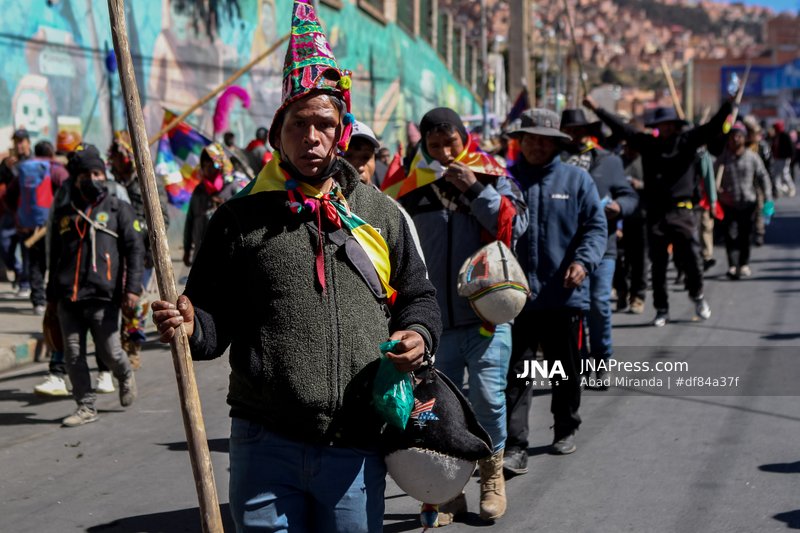
From his confinement in the Cochabamba tropics, former president Evo Morales has used social media to stoke the unrest. "As long as structural needs such as fuel, food and inflation are not addressed, the uprising will not stop," he wrote on X. The Paz government points to Morales as the driving force behind the protests, accusing him of seeking a return to power. Morales mobilized his supporters in a 190-kilometer march toward La Paz to demand the president's resignation and the suspension of judicial proceedings against the former leader, who faces an arrest warrant on charges of abusing a minor during his presidency. The Paz government points to him as the main instigator of the mobilizations, accusing him of seeking a return to power.
The president, only six months into office, is for now ruling out committing further public resources, citing the need to control a fiscal deficit that stands at 10% of GDP. With four and a half years of his term still ahead, the Constitution does not allow for early elections for another two years.
A grievance with deep roots
In response to the deteriorating situation, Paz announced a ministerial "reshuffle" to form a cabinet more receptive to social demands, and ordered the creation of an Economic and Social Council to broaden support for his reforms and counter accusations of privatization. The government has deployed around 3,500 security personnel to unblock roads, though without the use of lethal weapons. The protests have left more than a hundred people detained.
Rodrigo Paz took office in November 2025 amid a deep crisis: a shortage of dollars and fuel, and rising prices for food and services. Paz was a centrist senator who, despite a long political career, was not a nationally recognized figure, and managed to present himself as a "new" candidate. He became Bolivia's first president after the era of the Movement for Socialism (MAS), which governed the country for nearly 20 years. Multilateral organizations have forecast an economic contraction of up to 3.3% in 2026, following a 1.58% contraction in 2025 — a year in which inflation reached 20.4% in an economy where 85% of the population works informally.
Photos by Carlos Sánchez Navas, Abad Miranda and Brian Ronaldo Delgadillo Garzofino / JNA Press