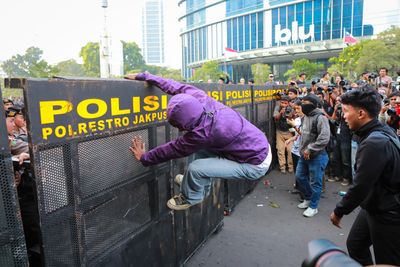

TIRANA, ALBANIA – JUNE 9, 2026: Albania has witnessed an escalating wave of protests in recent days, primarily centered in the capital, Tirana, over a major luxury tourism project linked to a company backed by American investor Jared Kushner, the son-in-law of former U.S. President Donald Trump.
The demonstrations began after plans were announced to develop high-end tourist resorts on Sazan Island and adjacent coastal areas near the environmentally protected Vjosa-Narta region in southern Albania. Opponents of the project argue that the proposed developments threaten one of the country's most significant ecosystems, home to dozens of migratory bird species, including flamingos, as well as marine turtles and other protected wildlife.
On Tuesday, environmental activists, civil society organizations, families with children, and young people gathered in central Tirana and outside government institutions for the tenth consecutive day of protests. Participants carried Albanian flags, banners reading "Albania is Not for Sale," and symbolic installations as they called for the cancellation of the project and greater transparency in the decision-making process surrounding the development plans.



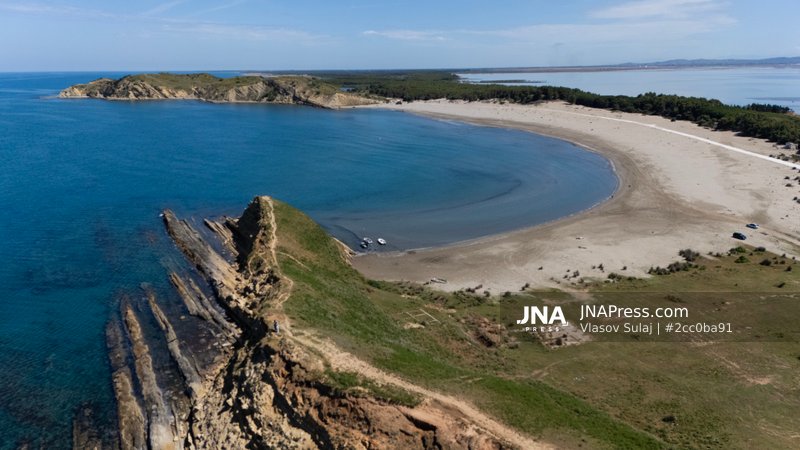
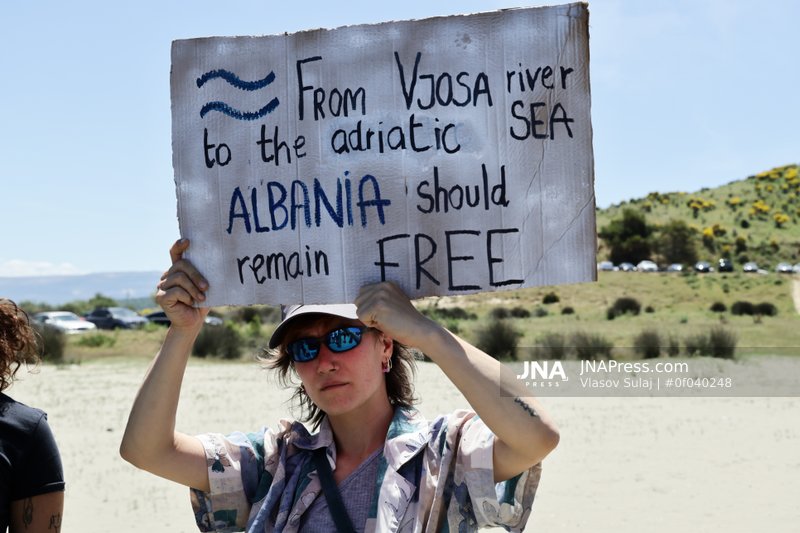
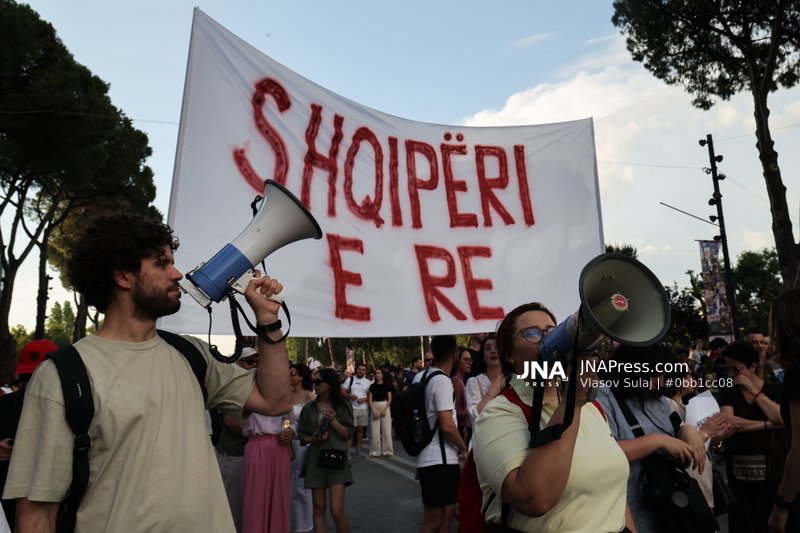
Protesters have accused the government of disregarding environmental concerns and failing to adequately consult local communities affected by the proposed coastal development. As the demonstrations have grown in scale, the movement has evolved beyond environmental activism into broader criticism of Prime Minister Edi Rama's administration.
Some participants have called for Rama's resignation, accusing authorities of corruption, poor governance, and prioritizing the interests of investors over the public good. Demonstrators argue that the controversy has become emblematic of wider concerns about accountability, sustainable development, and the protection of Albania's natural heritage.
The Albanian government, however, has defended the project, describing it as an opportunity to strengthen the country's tourism sector and attract substantial foreign investment. Prime Minister Edi Rama has stated that the development will proceed only after the completion of the necessary environmental assessments, emphasizing his government's commitment to environmental safeguards.
The dispute has also attracted growing international attention. European institutions and environmental groups have stressed the importance of Albania adhering to European environmental standards, particularly as the country continues its long-standing efforts to join the European Union.
Observers say the ongoing protests reflect deeper public frustration over political and economic issues that have accumulated over time. What began as opposition to a single tourism project has increasingly developed into a broader debate about governance, transparency, and the direction of Albania's future development.
Despite an increased security presence and reports of police intervention during some demonstrations in recent days, there has been little indication that the protest movement is losing momentum. Organizers have vowed to continue their actions until their demands are addressed.
As Albania enters the second week of sustained demonstrations, the country appears to be facing a significant environmental and political test one whose outcome could shape not only the future of the controversial development project but also public trust in institutions and Albania's relationship with the European Union.
Photo by Vlasov Sulaj / JNA Press