


Forty-one years after steering Charles and Diana through Venice, Romano Magris recalls an iconic royal encounter, the collapse of his former life and his struggle to remain connected to the city he once embodied.
On July 29, 2026, the world marks the 45th anniversary of the wedding of Charles, then Prince of Wales, and Lady Diana Spencer, one of the most memorable royal ceremonies of the twentieth century.
Four years after that wedding, during the final stage of the couple’s official tour of Italy, Charles and Diana travelled through Venice aboard a gondola steered by Romano Magris. It was May 4, 1985. The photographs taken during the journey captured an almost perfect composition: Diana and Charles seated together, framed by the architecture of Venice, while a young gondolier stood quietly behind them.
The cameras focused on the Prince and Princess of Wales. Magris was clearly visible, yet largely anonymous: an essential figure within the photograph who remained outside its official narrative. More than four decades later, the man behind the royal image remembers that day from a position far removed from ceremony, privilege and international attention.
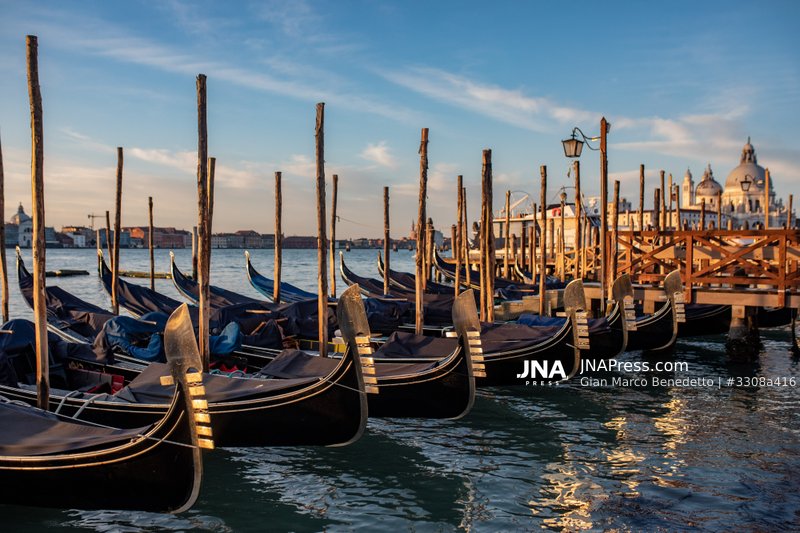
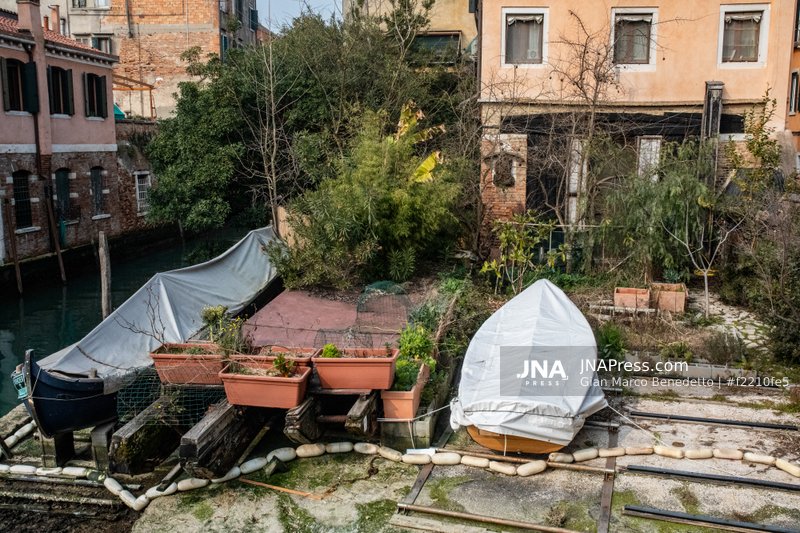
Magris remembers Diana above all for her elegance. Charles, by contrast, struck him as more reserved and formal. His testimony does not attempt to revel hidden royal drama or reinterpret the marriage with hinsight. Instead, it offers the immediate impression of a Venetian working man who spent several hours in close proximity to two of the most photographed people in the world.
He watched them from behind while photographers, officials and onlookers concentrated on the couple seated in front of him. For Magris, carrying internationally renowned passengers was not unusual. During his years on Venice's canals, he also transported figures such as Elizabeth Taylor and Sophia Loren, alongside actors, politicians and leading sports personalities.
Gondoliers have long occupied a distinctive place in Venetian life: they are workers and cultural symbols, but also guides, performers and discreet witnesses to the private behaviour of people whose public lives are constantly scrutinised.
Yet it was the journey with Diana and Charles that produced the image destined to survive. The photograph captures Magris at a particular point in his life: young, working and entrusted with guiding the royal couple through one of the most closely watched moments of their Italian visit. What the image cannot reveal is everything that came afterwards.
The life beyond the frame
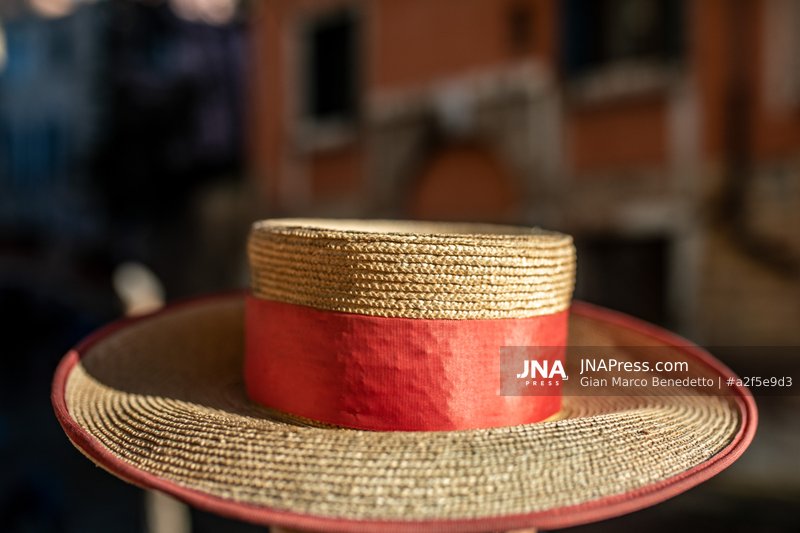
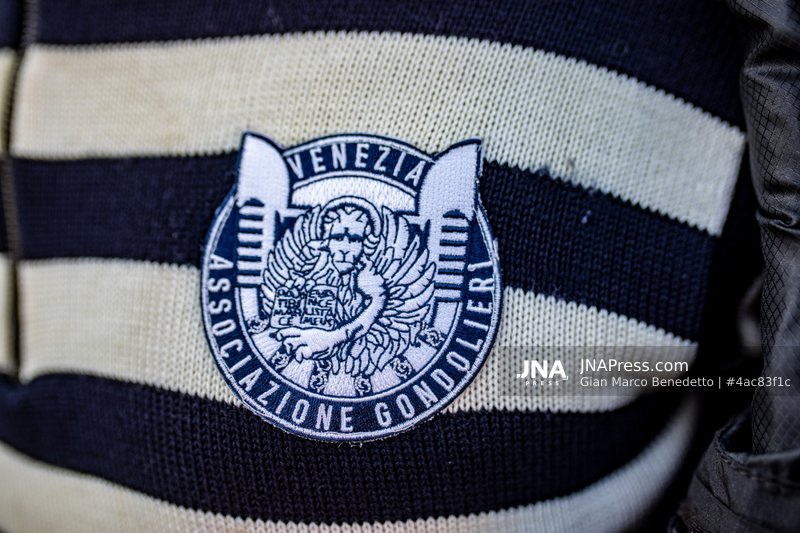
Magris’ later life was neither ceremonial nor protected by the prestige of the royal encounter. In the interview, he speaks openly about the personal and legal difficulties that destabilised his life. He no longer owns the gondolier’s licence that once defined his profession, saying that circumstances forced him to sell it. He also lost his home.
These experiences fundamentally alter the meaning of the archival photograph. Without Magris’ testimony, the image can be read as a self-contained fragment of royal and Venetian nostalgia. Through his voice, it becomes the opening chapter of a more complex story about status, visibility and the distance between appearing in a historic photograph and having control over what happens after the cameras disappear.
The man who once guided a future king and one of the world’s most famous women through Venice later found himself without the licence that gave him access to the canals and without secure housing in the city whose international image he had helped shape.
Yet he has not disappeared entirely from the world of gondolas. Magris says that he is still able to work and remain connected to the profession because former colleagues help him. Their support allows him to preserve a relationship with the canals, even though he no longer possesses the formal position and independence he once had.
That support is an important part of the story. It prevents Magris’ life from being reduced to a simple narrative of decline. The profession he lost, in another sense, the community that continues to give him a place.
A Venetian identity turned inside out
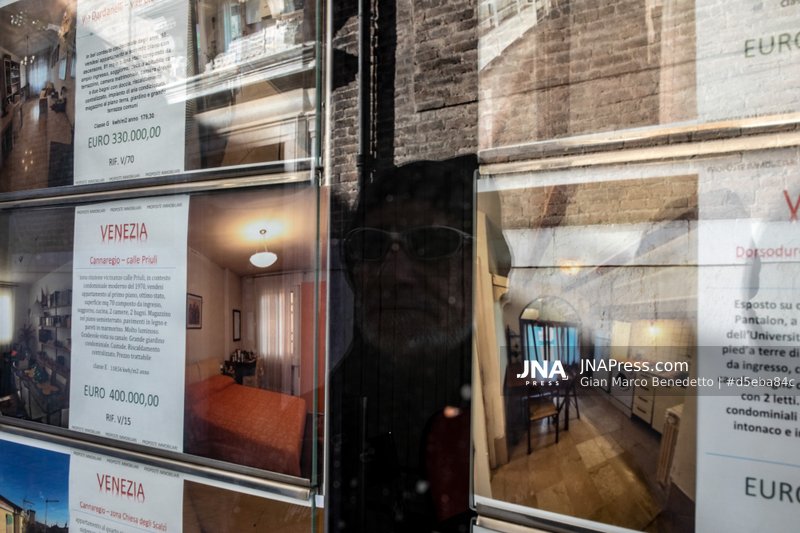
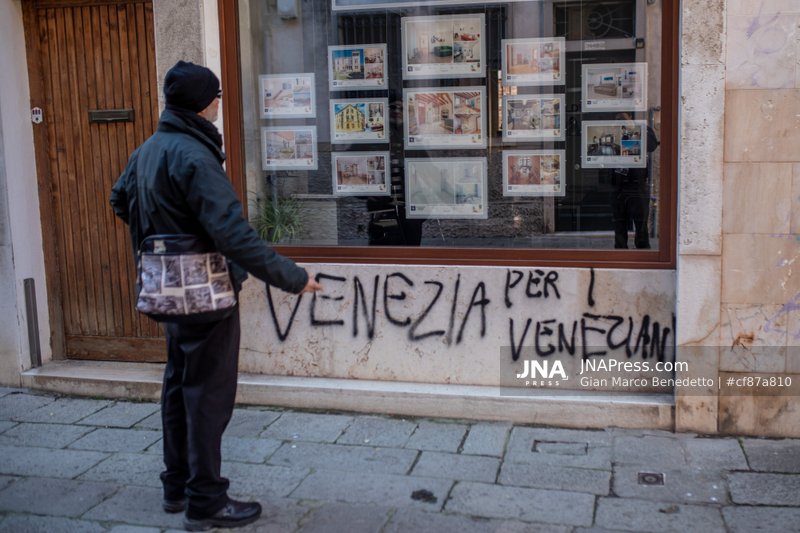
Magris’ relationship with Venice was also associated with Venetian identity, territorial autonomy and the defence of local culture at the centre of its politics. That element introduces one of the sharpest contradictions in his story. A man who once defended Venetian belonging in political terms now struggles to preserve his own place within the city. He remains attached to Venice culturally and emotionally, but no longer has the licence, home or professional security that once anchored his life there.
Today, Magris hopes to begin teaching voga veneta, the traditional Venetian rowing technique. His potential students could include tourists: some of the same people whose presence sustains much of Venice’s economy while also contributing to the transformation of its streets, housing market and everyday life.
The knowledge that once allowed him to work independently as a gondolier could therefore become something he transmits as an experience to visitors. It is both a possible means of survival and a symbol of the city’s transformation. Venetian culture continues to exist, but increasingly it must also be explained, demonstrated and sold to people who experience the city only temporarily.
Two versions of Venice
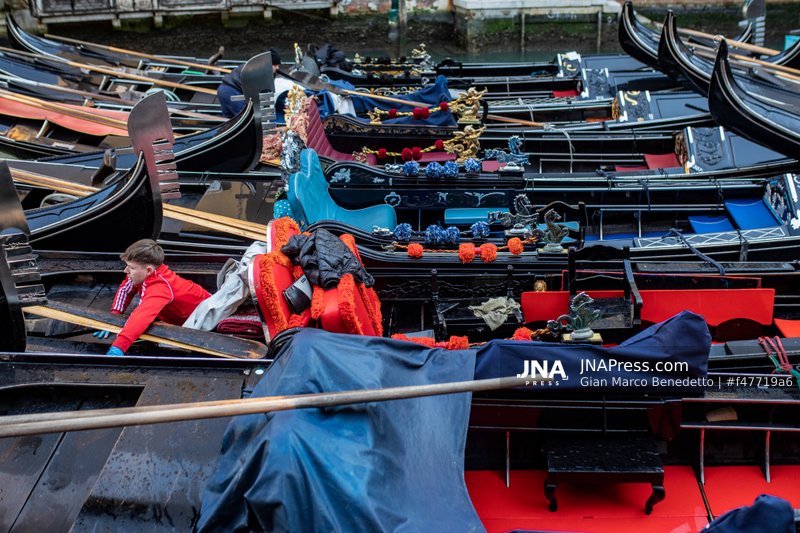
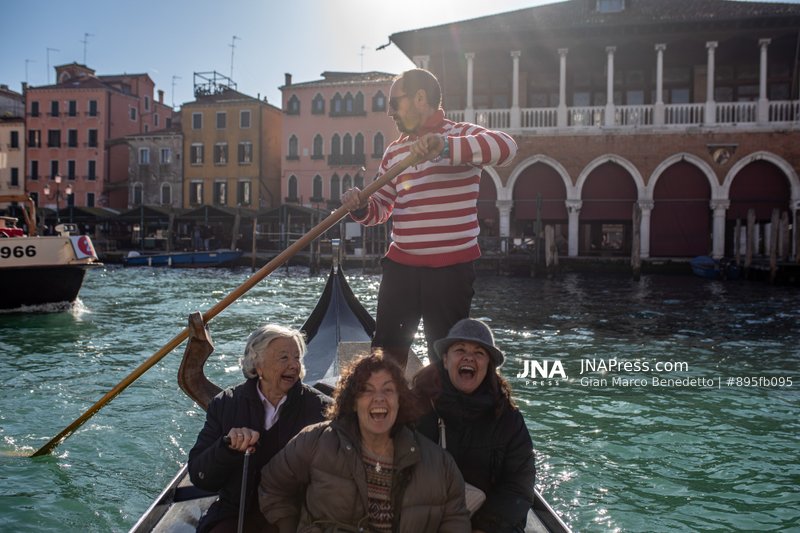
Magris’ memories move between two different versions of Venice. The first is the Venice captured in the photographs of 1985: a spectacular backdrop through which Diana and Charles pass aboard a gondola, surrounded by water, architecture and the visual language of romance. It is the Venice recognised throughout the world and repeatedly reproduced by newspapers, films, advertising and campaigns.
The second is the city Magris describes today: one increasingly organised around those who visit it rather than those who live there. Tourism has expanded, housing has become progressively less accessible and residential properties have been converted into short-term accommodation.
A simpler narrative would turn him either into a picturesque witness to royal history or into a symbol of a city destroyed by visitors. Neither interpretation would fully explain his life. His story lies at the intersection between individual responsibility and structural change: between the choices that transformed his personal circumstances and a city in which rebuilding a stable life has become increasingly difficult.
The gondolier as symbol and worker
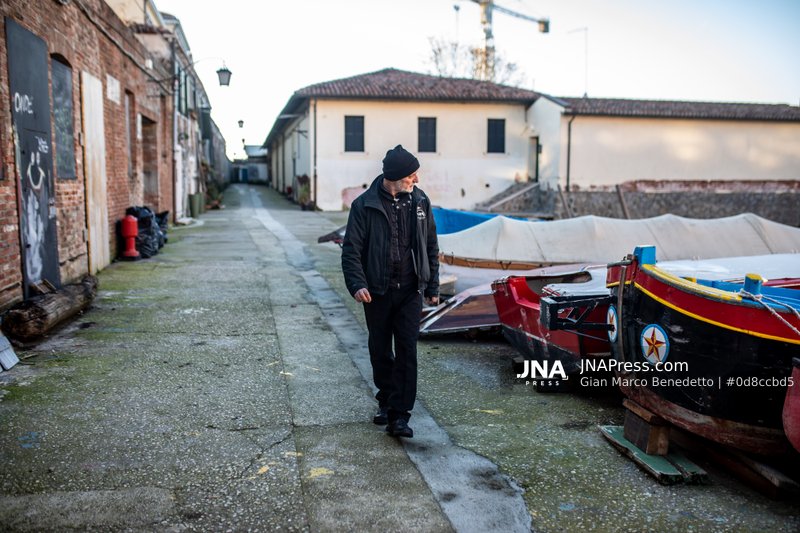
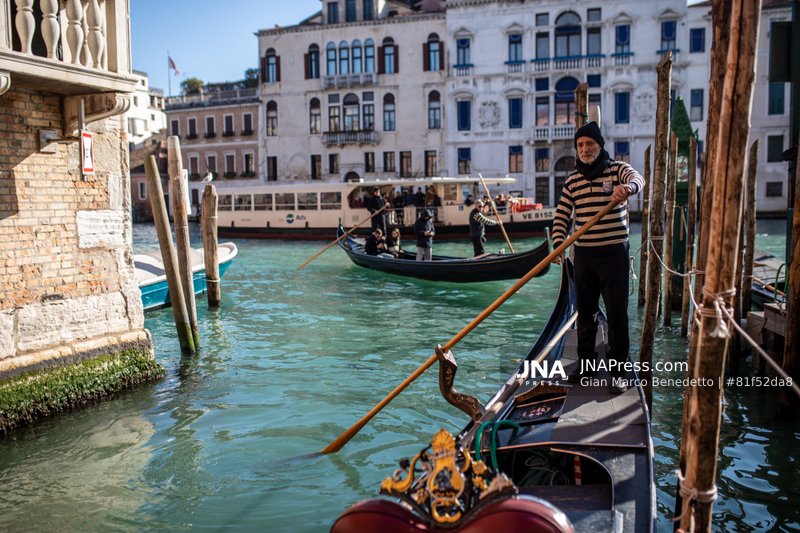
Few professions are as closely identified with the city as that of the gondolier. The gondola is more than a means of transport. It is one of Venice’s most powerful international symbols. Gondoliers appear in countless tourist photographs and remain central to the cultural and commercial representation of the city. But behind that recognisable image are individual working lives that can be remarkably fragile.
A licence can be sold. A home can be lost. A man who once completed an iconic representation of Venice can later struggle to remain part of its daily life. Magris’ case exposes the distance between the gondolier as a global symbol and the gondolier as a person. In the famous 1985 photograph, his presence helps make the image unmistakably Venetian. Without the gondola, the uniform and the man standing behind Diana and Charles, the picture would lose much of its cultural setting. Yet the international value of that image did not provide security to the person whose work helped create it.
Reducing Magris today to “the gondolier who carried Diana” would reproduce the invisibility embedded in the original image. It would acknowledge his presence while overlooking the life that followed.
What remains
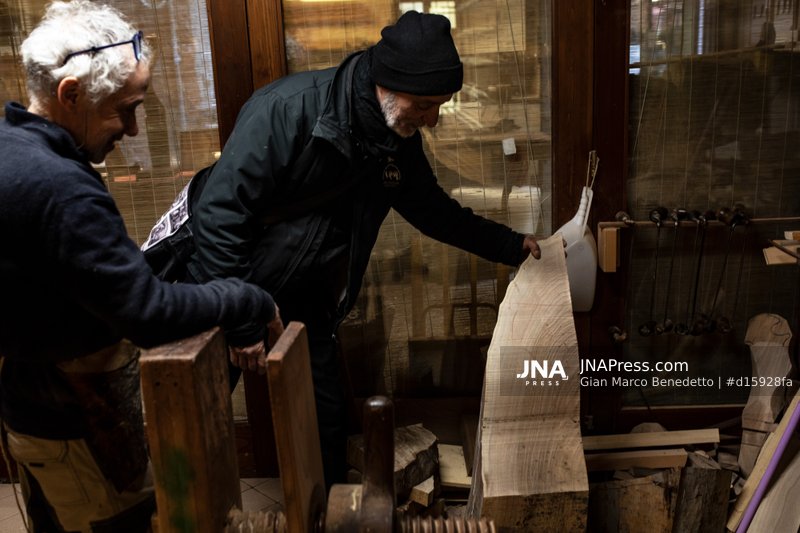
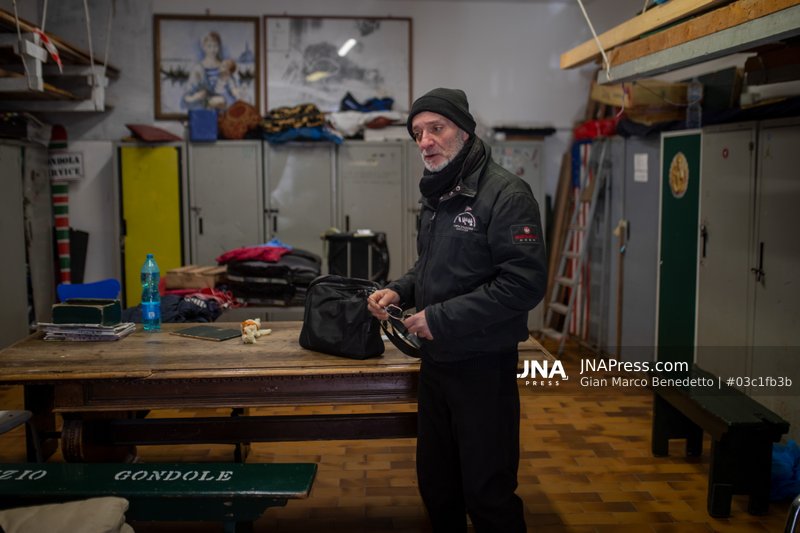
The archival photographs preserve the public memory of May 4, 1985. Magris’ testimony reveals the private perspective missing from those images. Contemporary photography documents the man and the city as they exist today.
Together, the material connects three narratives: the enduring fascination surrounding Diana, the rise and fall of the gondolier standing behind her and the transformation of Venice from a residential city into a place increasingly shaped by temporary occupation and global consumption.
The central question is not simply what Romano Magris remembers about Diana and Charles. It is what happened to the man behind the royal image—and what his life reveals about the city behind the postcard. Forty-one years after the gondola journey, Diana remains an international icon and Charles is now the king.
Magris carries a different kind of memory: not only of the celebrated passengers seated in front of him, but of a Venice in which his profession, his home and his sense of belonging once appeared more secure. Today, he survives partly through the solidarity of other gondoliers. His story restores a name and a life to the figure standing behind the royal couple. At the same time, it questions the romantic image surrounding him. The photograph preserved the spectacle. Romano Magris remembers what happened outside its frame.

Gian Marco Benedetto
Author at JNA Press
Gian Marco Benedetto is an Italian photojournalist and documentary photographer based in Barcelona, Spain. He currently serves as Deputy Head of Photography at JNA Press and works as an independent photojournalist covering across European Union, the Middle East and Ukraine, documenting stories related to war, displacement, identity, sport and political change. His photographs have been published by international media outlets including The Guardian, BBC, CNN, The Telegraph, Al Jazeera, El País, La Vanguardia, The Wall Street Journal, Libération, Time, Fox News, The Kyiv Independent among other international publications. His work has been exhibited in galleries, festivals and public institutions across Europe, including exhibitions at the Italian Chamber of Deputies in Rome, photographic festivals and cultural venues dedicated to documentary photography and visual storytelling.
View Profile